Notes from the build
What we've learned about keeping families in sight — and why we refuse to charge you monthly for it.
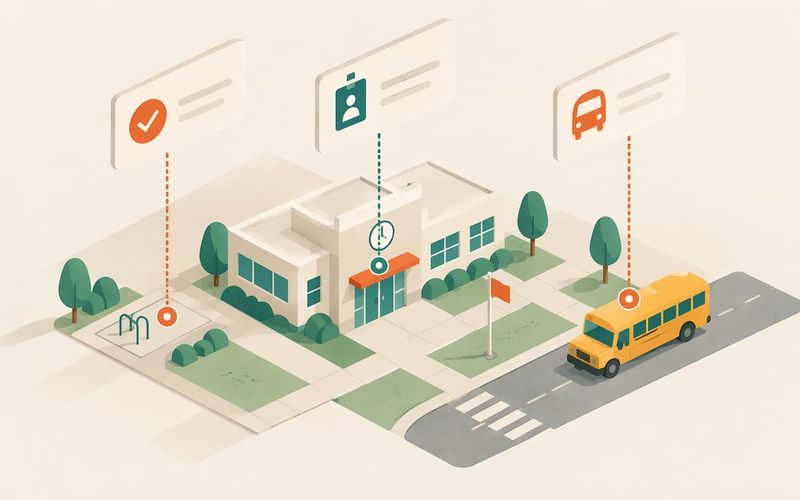
School arrival alerts explained: what your school's alerts confirm, how to sign up, what to do when one doesn't arrive, and how to add your own location alert.
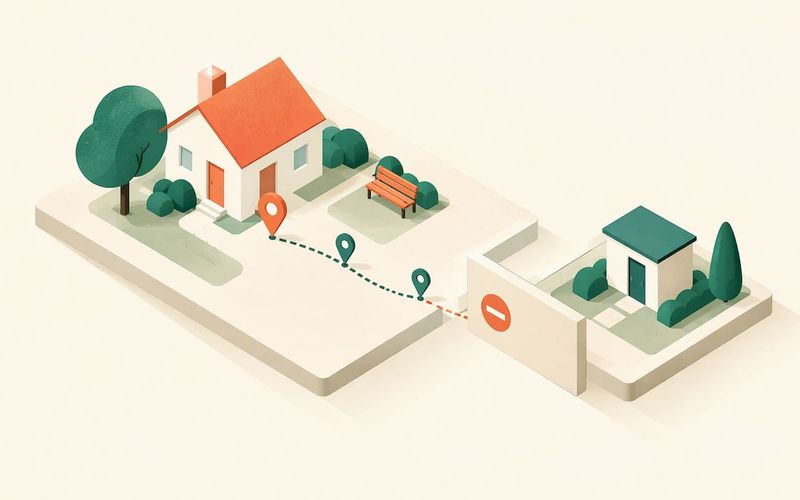
Caregiver location access done right: how to set it up, who should see a loved one's location, how to get consent, and what to do when a device fails.

A plain GPS tracker buying guide for families: tracker types, real costs, battery, accuracy, privacy and where to wear it, so you pick the right one once.
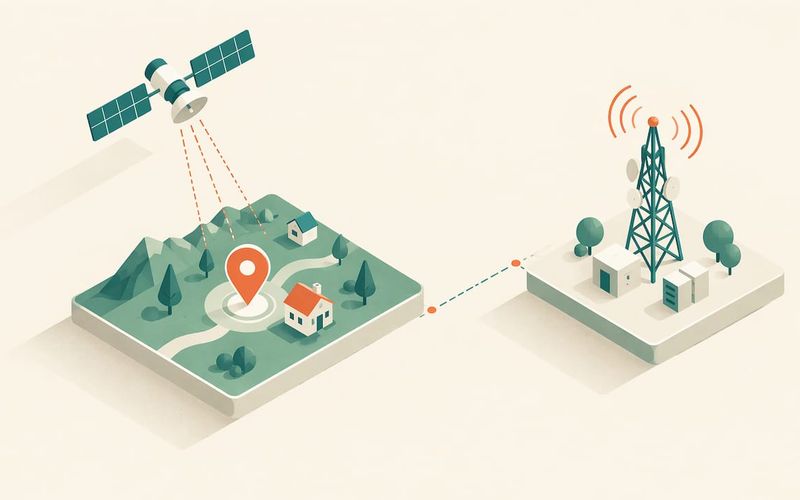
GPS works across the U.S., but a tracker also needs a network to report. Here is what nationwide coverage really means for kids, pets and parents.
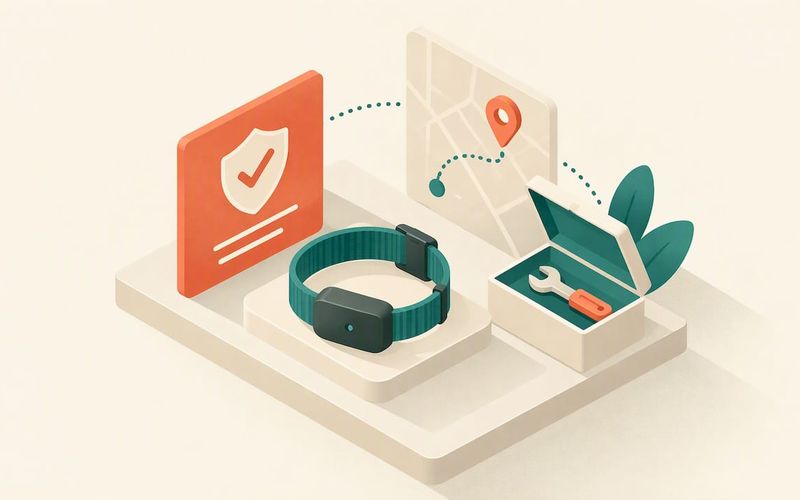
What a GPS tracker warranty covers, what it excludes, how long to expect it to last, and how to file a claim. Includes the Kin One two-year warranty.
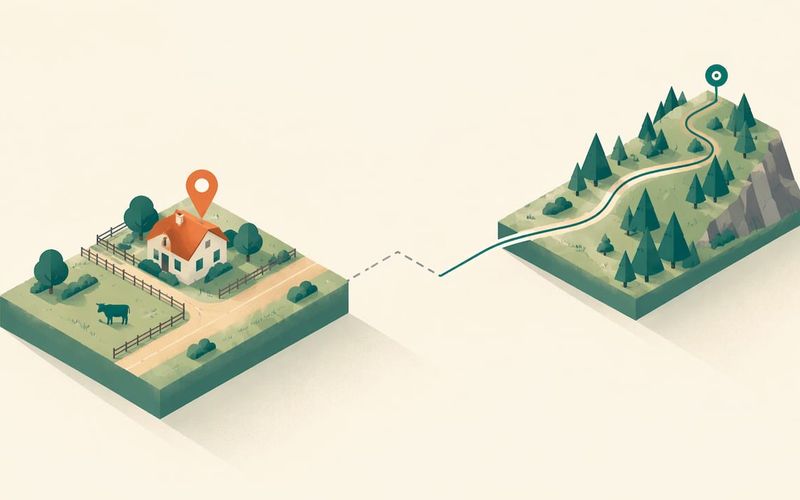
GPS works almost anywhere, but a tracker's reports need a network. Learn how to check rural coverage, what happens offline, and how to choose well.
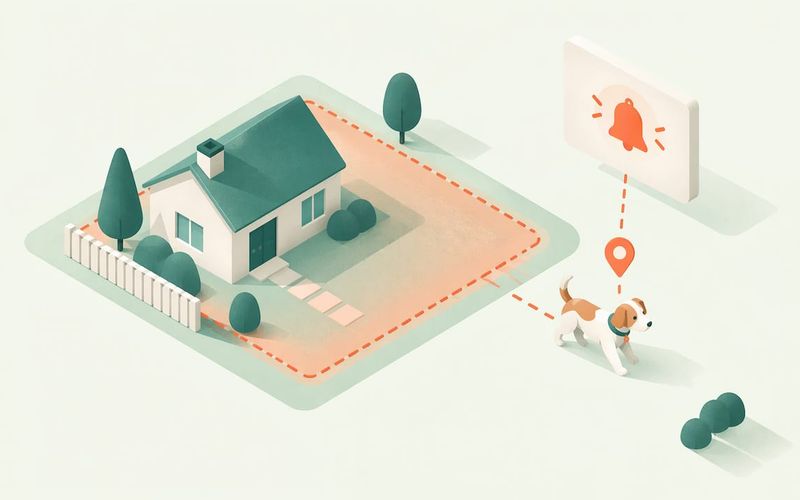
Pet safe zone alerts tell you the moment a dog or cat leaves a set area. Learn how they work, how to set them up, and why false alerts happen.

Set up grandparent location alerts that work: safe-zone and arrival notices, phone vs. wearable options, privacy and consent, and what to do if an alert fires.
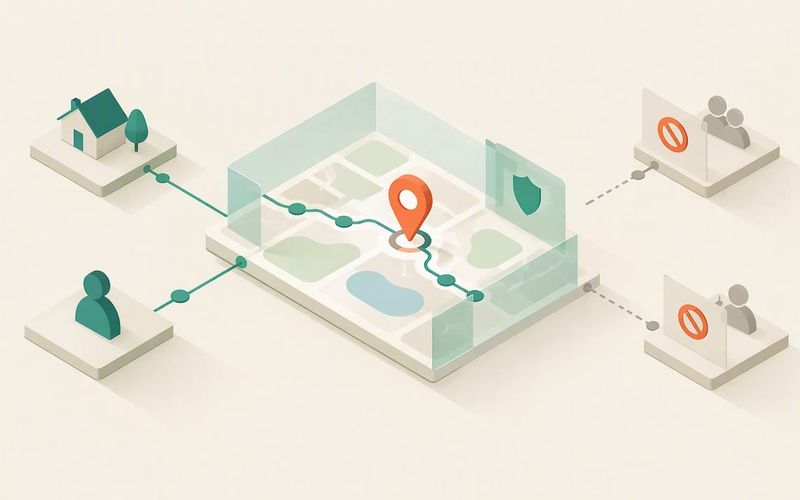
What privacy controls a family GPS tracker should have: who sees location, how long data is kept, how to delete it, and U.S. rules that apply.
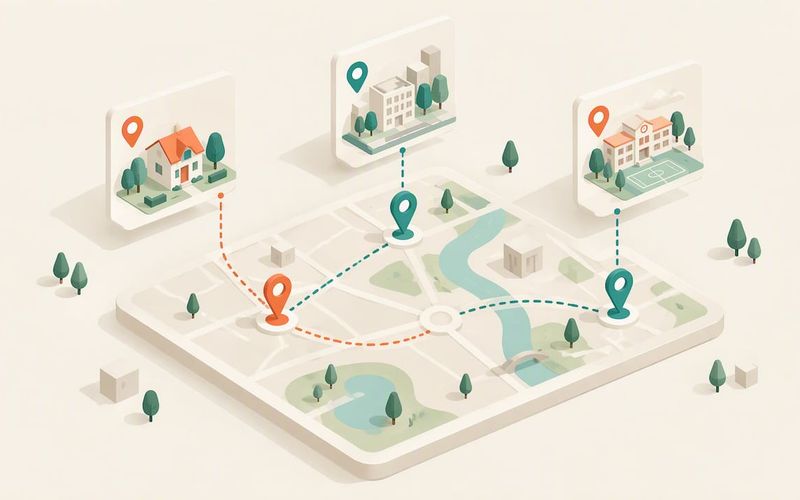
Track kids, pets and parents on one map: what each person needs, phone sharing vs GPS trackers, real costs, privacy rules and what to do when a location stalls.

Can you bring a GPS tracker on a plane? TSA and FAA rules on carry-on, checked bags, batteries and in-flight use, plus what to do with a kid or pet tracker.
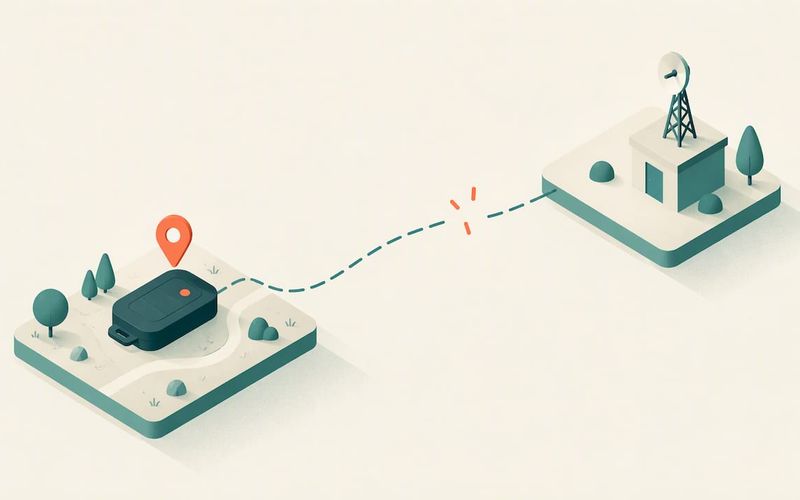
Why a GPS tracker shows offline, what it does without cell service, and how to tell a coverage gap from a real fault. A plain guide for families.
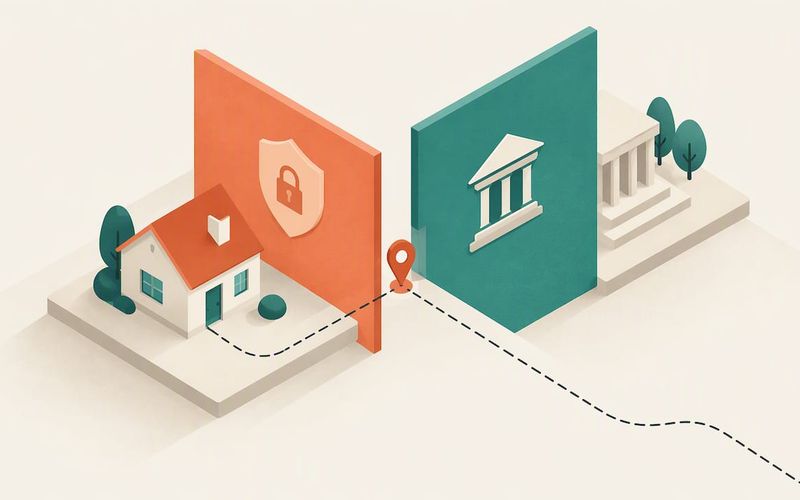
US GPS tracking laws explained for families: who can track a child, a parent, a pet or a car, how states differ, and what consent protects you.
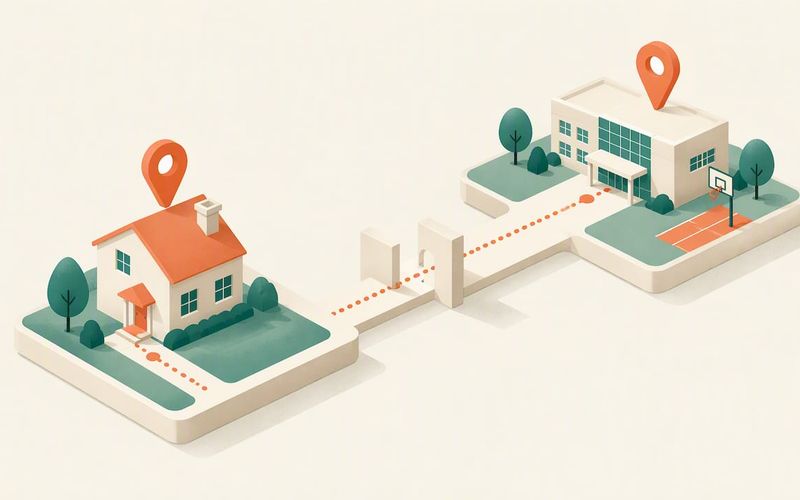
Teen location sharing rules that work: what to agree on, who sees what, when parents check, what the law says, and what to do if your teen turns it off.

How to get a senior to charge a GPS tracker or alert device every time: routines, caregiver alerts, chargers and device choices that cut the daily reminding.

Selling a GPS tracker, AirTag, smartwatch or old phone? Back up, unlink the account, erase the device and check the lock so the buyer gets nothing of yours.
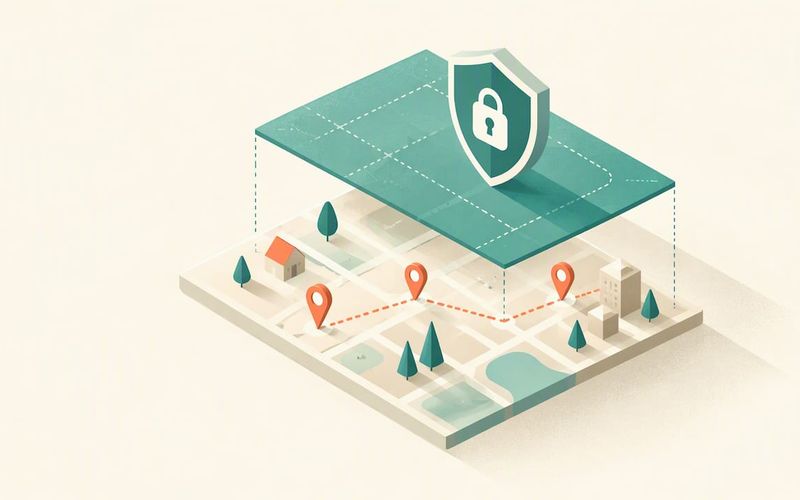
Who sees your family's location data, how long it's kept, and what US law says. A practical privacy checklist for choosing a GPS tracker for kids, pets or parents.

Attach a GPS tracker to your dog's harness without snags, slipping or pressure points: where it goes, what to avoid, and a two-finger fit check.
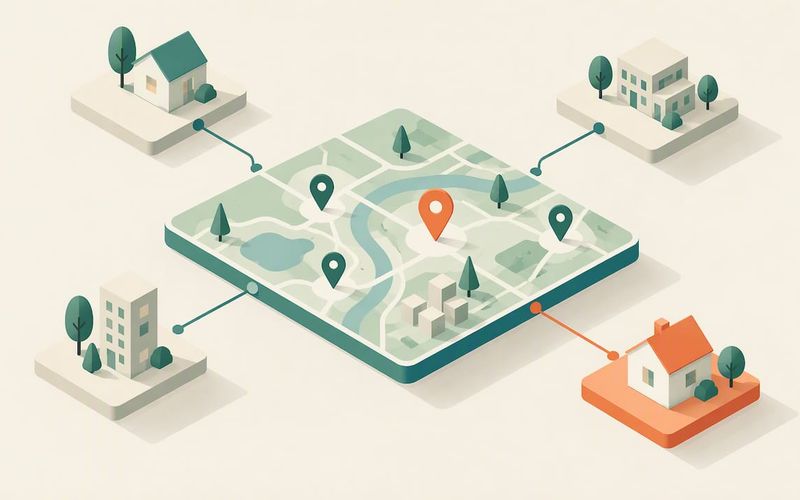
Every family tracking setup has roles: the person who watches, the person watched, and the contacts who step in. Here is how to assign them fairly.

How to handle sleepover check-ins: what to ask the host, when to text, a no-blame code word, and where location sharing fits without spying.

Kids take off trackers for reasons you can fix. Learn why it happens, what works by age, and how to set up Kin One so wearing it becomes the easy choice.

Compare toddler leashes and trackers by outing, learn when a tether prevents a bolt and how a tracker helps after separation. Check fit, battery, and fees.

Learn to attach a dog tracker with a secure mount, check collar fit, and reattach it safely while keeping ID tags and microchip details current.

Stop location sharing on Apple or Google, verify access is gone, and follow FTC safety guidance before making changes; Kin One offers a device alternative.